Over 53,000 Canadians have died from overdose since 2016. I am always looking for ways municipalities can make a difference in this space.
I participated in the International Visitors Leadership Program (IVLP), and visited Baltimore, Cleveland, Orlando, and other cities to learn about how American jurisdictions are responding to this public health emergency and what lessons we can bring back to Canada.
One thing is very clear to me: we need better tools to understand what is happening in real time.
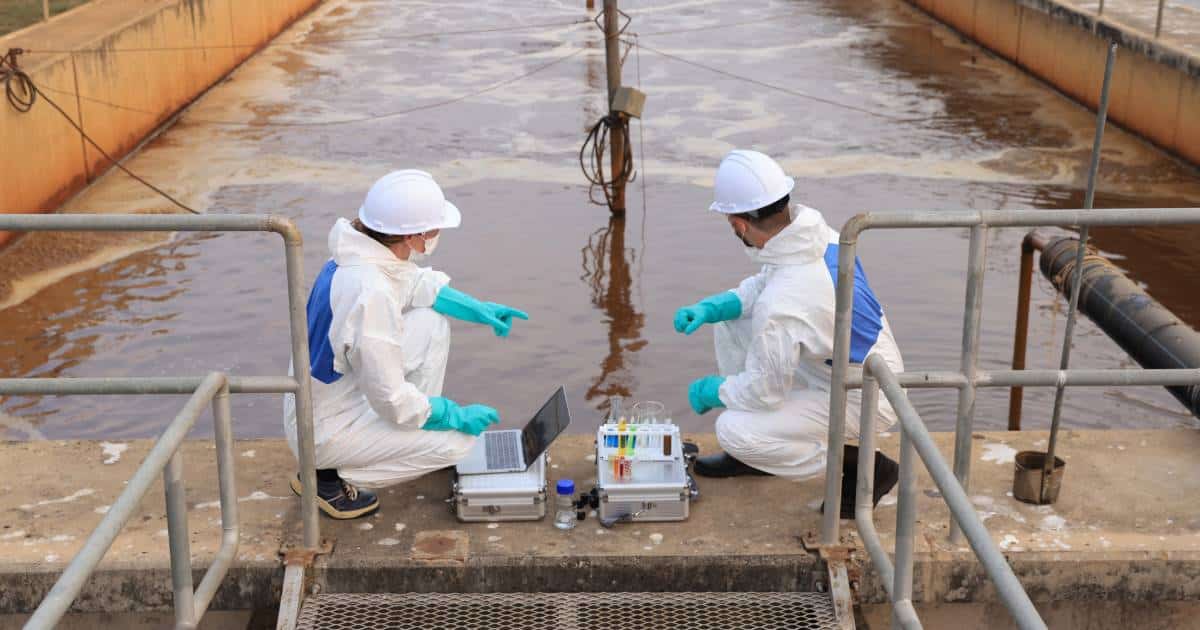
That is why I have been working with Dr. Monty Ghosh, an Internist, Disaster Medicine, and Addiction Specialist who works at the University of Alberta Hospital in Edmonton, to advocate for expanded wastewater testing and early warning systems in Ottawa. During COVID-19, Canadians became familiar with wastewater surveillance because it helped track variants and outbreaks quickly and anonymously.
Wastewater testing allows researchers and public health experts to detect substances circulating in a community before overdoses spike. It can identify changes in drug use patterns and see how compounds change from one day to the next.
Our current drug surveillance infrastructure remains slow, fragmented, or entirely absent. Different levels of government oversee different pieces of the response, which makes reacting to rapidly changing conditions challenging.
The opioid crisis is actually a chronic public health issue that demands a long-term, coordinated, evidence-based response. What we need now is the political will to act. We must use the resources we have to build a health system that finally matches the scale of this emergency. We need stronger coordination, better data sharing, and more transparency if we want to save lives.
I introduced a motion on May 13, 2026 that passed unanimously to explore the implementation of a wastewater-based drug surveillance and early warning system in Ottawa. The motion was supported by Ottawa Public Health and the City’s Infrastructure and Water Services Department.
I will keep you posted as we examine the feasibility of identifying key geographic locations for wastewater sampling, establishing reporting protocols, and developing rapid notification mechanisms for frontline health and community safety partners.
This post is also available in French.

 English
 French