REPRINT
Don’t let Lowertown become a ghetto
Ottawa Citizen 17 Feb 2023
Written by: MOHAMMED ADAM Mohammed Adam is an Ottawa journalist and commentator.
Reach him at nylamiles48@ gmail.co
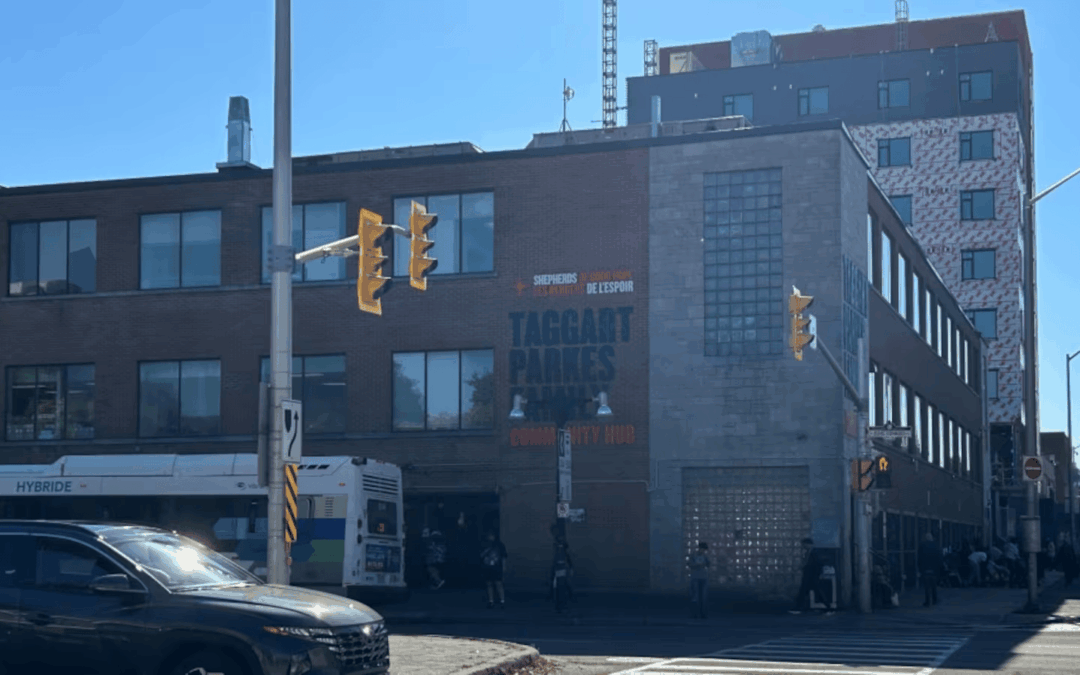
Sylvie Bigras has lived in Lowertown for decades, and seen it gradually turn into ground zero for the social services no other city neighbourhood wants. The problem is getting worse, and she believes services must be decentralized, or Ottawa’s oldest neighbourhood will turn into a ghetto.
Bigras says the city has packed Lowertown with shelters and services for people who suffer everything from mental illness to addiction and homelessness — as if they all live downtown. In fact, such vulnerable people come from all over the city, and Lowertown should not be made to carry the burden alone.
“I have lived here for 40 years and we’ve become a dumping ground for social services,” says Bigras, the local community association president. “We are on our way to becoming Vancouver Downtown Eastside. We don’t want to create a ghetto downtown.” Bigras says the social service system is broken because the way services are delivered is not helping anyone. People with a variety of problems — drug addiction, alcoholism, mental illness, poverty — are lumped together in shelters, and the cycle keeps repeating itself.
What the city needs, she believes, is a new policy that requires a small shelter in every ward to serve people where they live. “You have to take people out of mega-shelters and put them in small centres that cater to their needs,” Bigras says. She is right.
Over the years, vulnerable people have become trapped in a never-ending cycle of poverty, drug addiction, alcoholism and mental illness, with no hope of escape. Shelters perform a great service, giving people temporary relief and a place to lay their heads. And no doubt the people who work in shelters are a selfless and dedicated bunch. But the heavy concentration of shelters and their attendant problems in one spot, combined with the proliferation of bars and easy access to alcohol, has turned Lowertown/byward Market into a high crime area.
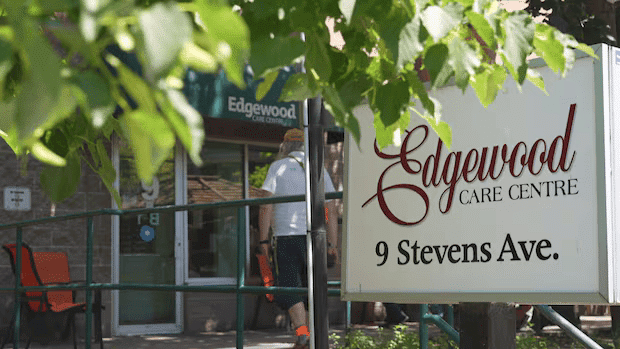
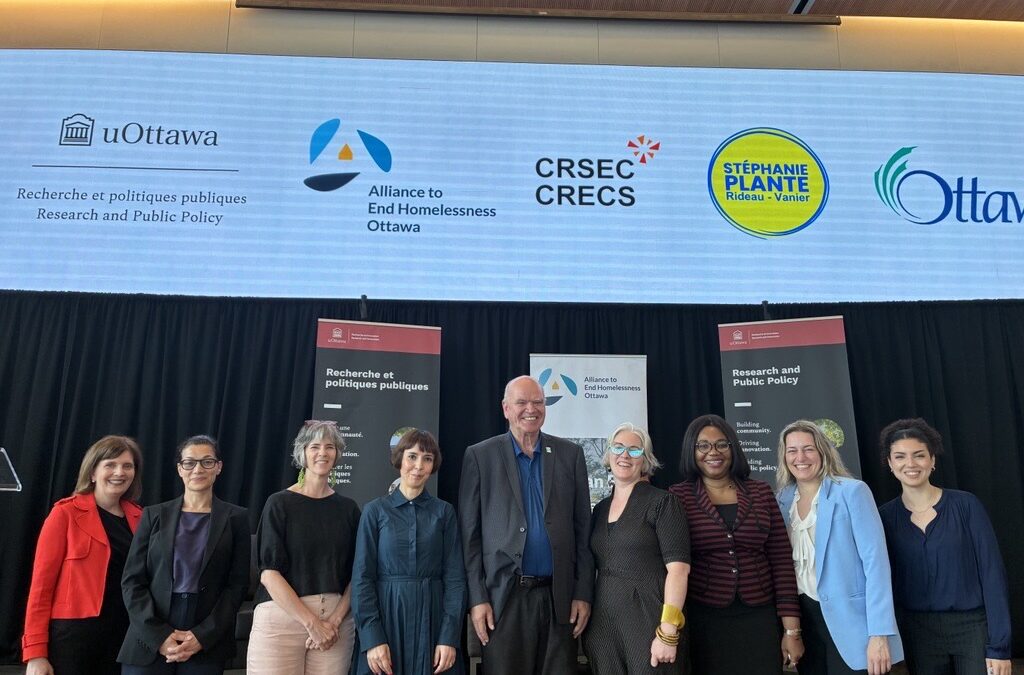
It is a problem Rideau-vanier Coun. Stephanie Plante wants addressed. Plante says her ward, which stretches from the Market into Vanier, is overrun with shelters, with 12 of them and two hotels that serve a similar function. She doesn’t understand why Rideau-vanier is bearing the heavy load while other wards contribute nothing. She says Ottawa Public Health data show that many opioid overdoses occur on construction sites in the suburbs, “so why are we concentrating overdose prevention in the downtown core?” A report by the Ontario Drug Policy Research Network did find that among people who died of opioid toxicity, one-third of them worked in construction.
Plante says big cities are decentralizing their shelter services and Ottawa should do the same. Shelters must not only be spread around, the city should, as a matter of policy, move away from shelters and offer supportive housing. That’s why she wants the Salvation Army to rethink its mega-shelter planned for Vanier. Plante says she has spoken to Mayor Mark Sutcliffe who supports the idea of decentralizing shelters, and she’s hoping council will take up the issue.
Bigras and Plante are right to question why Lowertown is saturated with shelters, and why the city continues to approve new projects such as the Vanier mega-shelter.
Shelters do a good job, but they are essentially a Bandaid. What street people who are struggling with assorted problems need is the dignity of a home, from which they can access the right help. That’s why affordable housing is so critical. The problem is that, over the years, non-urban councillors have been reluctant to acknowledge that homelessness, addiction and mental illness are citywide issues they must confront. They see this as a downtown issue. But residents of Kanata, Barrhaven, Orléans, or Riverside South are just as vulnerable as anyone downtown.
Sutcliffe promised a new police station in the Byward Market, but so far hasn’t provided funding. Perhaps the better approach is to examine why the area is such a magnet for crime. The longterm solution may well lie in rethinking the city’s entire Lowertown policy.


 English